Queen Elizabeth National Park
Queen Elizabeth National Park, located in Uganda’s western region along the Albertine Rift Valley, stands as one of the country’s most celebrated protected areas and a compelling example of how tourism and conservation can be developed in careful concert with one another. Named in honour of Queen Elizabeth II following her visit to Uganda in 1954, the park spans approximately 1,978 square kilometres and encompasses an extraordinary diversity of habitats, including savannah grasslands, wetlands, crater lakes, and tropical forest. This article offers a considered overview of the park’s tourism appeal, its conservation history, and the ongoing efforts that continue to shape its future.
- Gorilla & Golden Monkey Trekking in Mgahinga National Park
- Chimpanzee Tracking in Kibale Forest National Park
- Wildlife Safaris in Murchison Falls National Park
- Uganda Birding Tours featuring Albertine Rift endemics
- Cultural Immersion Experiences with local communities
Given its considerable elephant and predator populations, Queen Elizabeth National Park faces ongoing challenges related to human-wildlife conflict, particularly along its boundaries where local communities engage in agriculture and livestock keeping. Crop raiding by elephants and occasional predation of livestock by lions have historically posed genuine difficulties for communities living adjacent to the park.
In response, the Uganda Wildlife Authority and partner organisations have implemented a range of mitigation measures, including the construction of trenches and barriers designed to deter elephants from entering farmland, community-based problem-animal reporting systems, and revenue-sharing arrangements through which a portion of park entrance fees is directed toward community development projects in neighbouring areas. These initiatives reflect a broader recognition that long-term conservation success depends significantly on the goodwill and active cooperation of local communities.
Lion conservation, in particular, has received notable attention in recent years, following concerns regarding poisoning incidents linked to human-wildlife conflict. Research programmes tracking the park’s tree-climbing lions, including the fitting of GPS collars to selected individuals, have provided valuable data to help inform conservation strategy and to better understand and mitigate the underlying drivers of conflict.
Values & Culture
Explore some of the major tourism activities offered in Queen Elizabetht national park.
Game drives stand among Queen Elizabeth National Park's most rewarding activities, offering visitors the chance to explore its open savannah plains in search of iconic wildlife. The Kasenyi plains are particularly known for lion sightings, alongside herds of buffalo, kob, elephant, Water-bucks, Bush-buck, Jackals, Giant Forest Hogs and Leopards.
The Ishasha sector, in the park's southern reaches, is famed for its unusual tree-climbing lions, often spotted resting in fig trees during the heat of the day. Conducted during early morning or late afternoon hours for optimal wildlife activity, game drives showcase the park's remarkable biodiversity while offering an authentic and immersive East African safari experience.
Birdwatching is a standout activity in Queen Elizabeth National Park, home to over 600 recorded species, making it one of Africa's richest birding destinations relative to its size. The Kazinga Channel offers excellent waterbird viewing, including pelicans, herons, and African fish eagles, while the Maramagambo Forest and Kyambura Gorge provide habitats for forest specialists rarely seen on the open plains.
The savannah areas host raptors, bee-eaters, and numerous ground-dwelling species. This remarkable diversity, spanning wetland, forest, and grassland habitats within a single park, has made Queen Elizabeth National Park a firm favourite among dedicated birding tour operators and enthusiasts alike.
The Kazinga Channel boat cruise ranks among Queen Elizabeth National Park's most cherished activities, offering an intimate way to encounter wildlife along this vital waterway connecting Lake Edward and Lake George.
Visitors can expect close sightings of large hippopotamus pods, basking Nile crocodiles, and elephant and buffalo gathering along the banks to drink. The channel also attracts an impressive array of waterbirds, including African fish eagles, pelicans, and herons, making it a highlight for birding enthusiasts. Typically lasting around two hours, the cruise offers a relaxed yet consistently rewarding safari experience, regardless of the time of year.
Queen Elizabeth National Park benefits from a comparatively well-developed tourism infrastructure relative to some of Uganda’s more remote protected areas. A range of accommodation options, from budget campsites to comfortable mid-range lodges and more exclusive luxury properties, are situated both within and around the park’s boundaries, catering to a broad spectrum of visitor preferences and budgets.
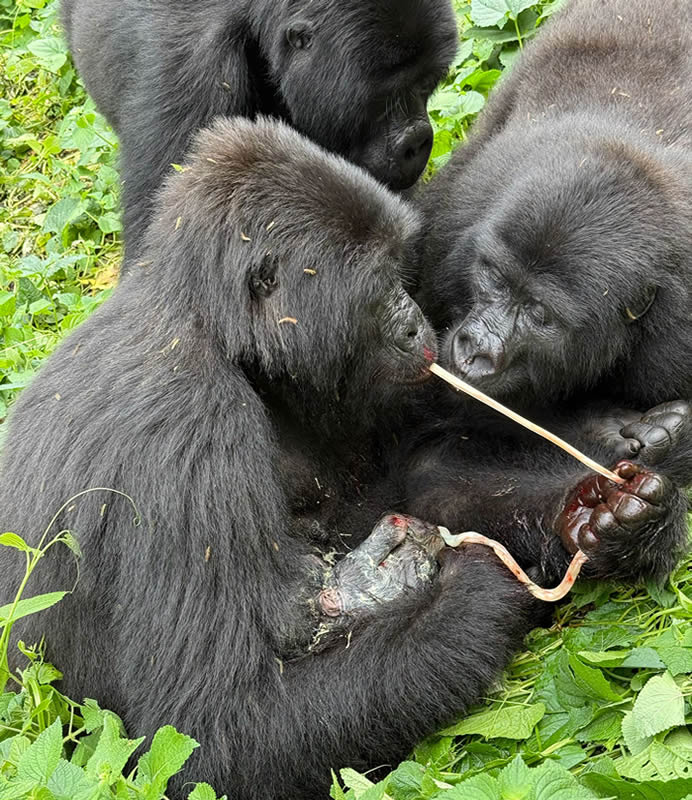
The park’s proximity to other notable attractions further enhances its appeal within broader Ugandan safari itineraries. It is frequently combined with visits to the neighbouring Kibale Forest National Park, renowned for chimpanzee tracking, and Bwindi Impenetrable National Park, celebrated for mountain gorilla trekking, allowing visitors to experience a considerable diversity of Ugandan wildlife and landscapes within a single, well-structured journey.
Activities available within the park extend beyond game drives and boat cruises to include chimpanzee tracking within Kyambura Gorge, guided nature walks, cultural visits to nearby communities, and, for those with a particular interest in geology, tours of the volcanic crater fields near Katwe, which also hold historical significance as a traditional site of salt mining.
Among the park’s most celebrated features is the Kazinga Channel, a natural waterway connecting Lake Edward and Lake George, which serves as a vital water source and wildlife corridor throughout the year. Boat cruises along this channel represent one of the park’s signature tourism experiences, offering visitors close and often remarkably intimate views of hippopotamus pods, Nile crocodiles, and an extensive array of waterbirds, including African fish eagles, pelicans, and numerous species of heron and kingfisher.
The channel’s banks also attract considerable numbers of elephant and buffalo, particularly during drier periods when they gather to drink and bathe, making the boat safari a reliably rewarding activity regardless of the broader seasonal conditions elsewhere in the park.
Few protected areas in Africa can rival Queen Elizabeth National Park’s sheer ecological variety within such a relatively contained area. The park lies at the meeting point of several distinct ecosystems, a characteristic that has earned it recognition as a UNESCO Biosphere Reserve. Its landscape encompasses open savannah plains, dense forest patches such as the Maramagambo Forest, extensive wetlands along the Kazinga Channel, and numerous volcanic crater lakes scattered across the northern sector of the park, most notably within the Katwe-Kikorongo area.
This diversity of habitat supports an equally impressive range of wildlife. The park is home to significant populations of African elephant, buffalo, hippopotamus, and a wide variety of antelope species, alongside large predators such as lion and leopard. Of particular note is the population of tree-climbing lions found in the Ishasha sector, a behaviourally distinctive group that has become one of the park’s most sought-after wildlife attractions, drawing visitors keen to witness this comparatively rare sight of lions resting in the branches of fig trees.
The park’s conservation history has not been without considerable challenge. During the political instability and civil conflict that affected Uganda through the 1970s and 1980s, wildlife populations within Queen Elizabeth National Park, as in several of the country’s other protected areas, suffered substantial declines due to poaching and habitat disruption. Elephant and buffalo numbers, in particular, were significantly reduced during this period.
Since the restoration of stability in Uganda, the Uganda Wildlife Authority (UWA), working in partnership with international conservation organisations, has overseen a sustained and largely successful recovery effort. Elephant populations within the park have shown encouraging growth over recent decades, and improved ranger patrols, community engagement initiatives, and habitat management have collectively contributed to a more secure environment for the park’s wildlife.
The Role of Tourism Revenue in Conservation Funding
As with many protected areas across East Africa, tourism revenue plays an instrumental role in funding ongoing conservation work within Queen Elizabeth National Park. Park entrance fees, activity fees for boat cruises and chimpanzee tracking, and a portion of accommodation-related revenues contribute to the Uganda Wildlife Authority’s broader conservation budget, supporting ranger salaries, anti-poaching patrols, research initiatives, and infrastructure maintenance.
This financial relationship underscores an important principle that has increasingly shaped conservation policy across the region: that well-managed, sustainable tourism can serve not merely as an economic activity but as a genuine and necessary contributor to the long-term protection of the very landscapes and wildlife upon which it depends.

Discover Queen Elizabeth’s top-selling escapes: the 3-Day Queen Elizabeth Wildlife Safari, 6-Day Uganda Gorilla Tour with tree-climbing lions & chimp walks and the 12-Day Private Uganda Safari combining big game, gorillas & Nile cruises.
This itinerary takes travelers from the capital region of Entebbe/Kampala deep into the southwestern hills of Uganda, to one of the most biodiverse rainforests on the continent.
Explore Bwindi's gorilla trekking, Queen Elizabeth's tree-climbing lions and Kibale's chimpanzee walks - plus a Batwa cultural visit - on this 6-day Uganda wildlife and primate safari adventure.
This private safari takes travelers through six of Uganda’s premier wildlife destinations, combining big-game viewing, Gorilla trekking and boat cruises along the Nile and Kazinga Channel.
Queen Elizabeth National Park continues to face a range of ongoing considerations as it seeks to balance growing visitor interest with the equally important imperative of ecological protection. Climate variability, encroaching land use pressures along the park’s boundaries, and the continued management of human-wildlife conflict all remain areas requiring sustained attention and investment.
Nonetheless, the park’s track record over recent decades offers considerable grounds for optimism. Recovering wildlife populations, an increasingly engaged network of neighbouring communities, and a well-established tourism sector collectively provide a solid foundation from which to address these ongoing challenges. Continued collaboration between the Uganda Wildlife Authority, tourism operators, conservation organisations, and local communities will remain essential to ensuring that this remarkable landscape continues to thrive.
Final Thoughts
Queen Elizabeth National Park exemplifies the considerable value that can emerge when tourism and conservation are approached as complementary, rather than competing, objectives. From its extraordinary ecological diversity and celebrated tree-climbing lions to its vital role in supporting neighbouring communities through shared conservation revenue, the park stands as a testament to Uganda’s broader commitment to protecting its natural heritage for future generations.
For prospective visitors, a journey to Queen Elizabeth National Park offers not only access to remarkable and varied wildlife encounters within a single protected area, but also the assurance that their visit contributes meaningfully to a conservation model that has helped safeguard this exceptional Ugandan landscape for the benefit of both wildlife and the communities who call this region home.